Best Seed Drilling Machines for Accurate Planting and Higher Yield
By Diana Kiwi Rose
Successful crop production begins with accurate planting. Even when farmers use high-quality seeds, good fertilizer, and proper irrigation, poor seed placement can reduce germination and overall yield.
This is where modern seed drilling machines can make a major difference.
A good seed drill helps farmers place seeds at a consistent depth, maintain proper spacing, and cover seeds evenly with soil. These benefits can improve crop establishment while reducing seed waste and unnecessary labor.
For farms growing wheat, corn, barley, soybeans, pulses, and many other crops, choosing the right seed drilling machine can improve both efficiency and planting accuracy.
What Is a Seed Drilling Machine?
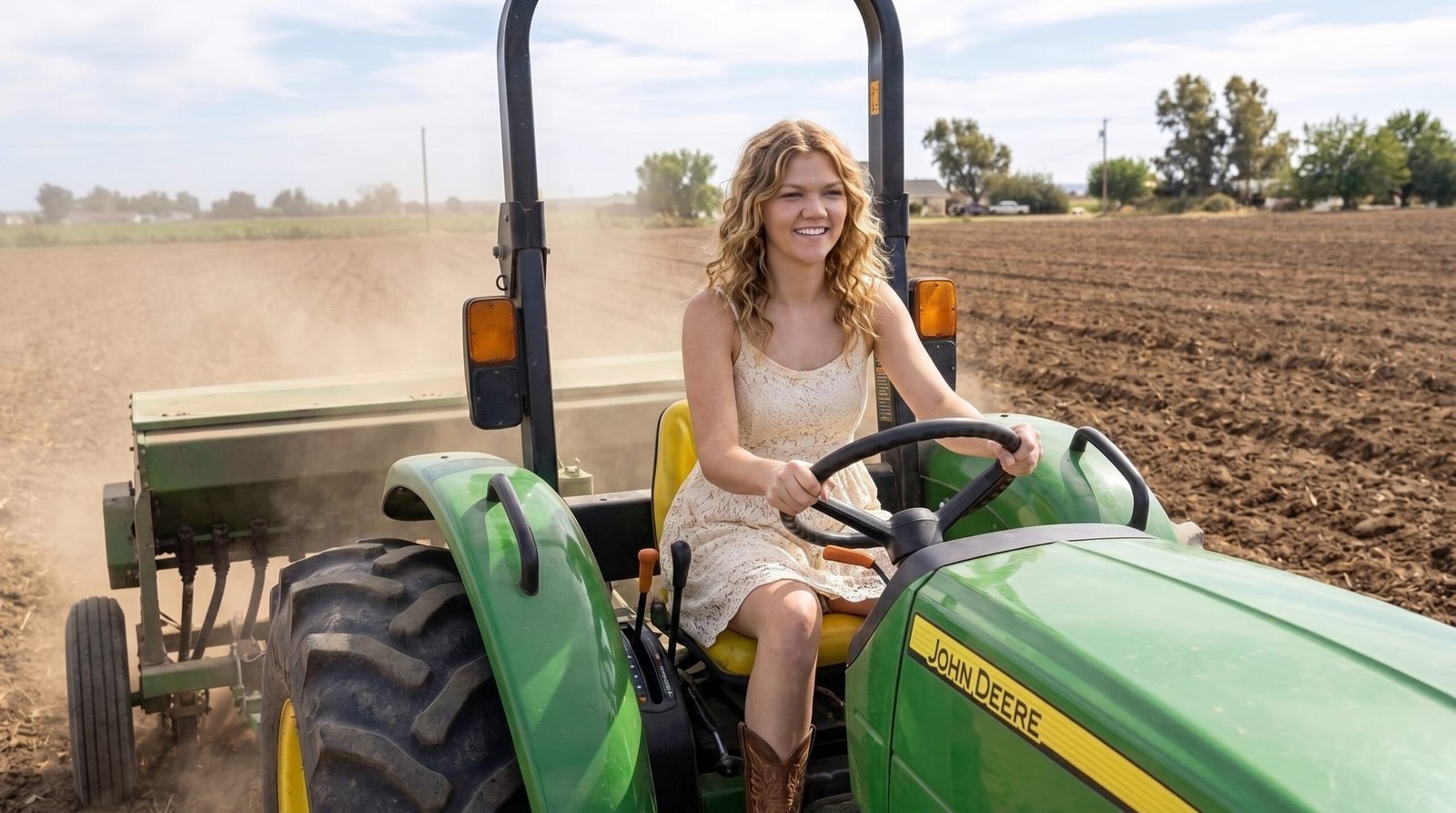
A seed drilling machine is agricultural equipment designed to place seeds into the soil in organized rows at a controlled depth and spacing.
Traditional broadcasting methods spread seeds over the soil surface, which can result in uneven distribution. Some seeds may be placed too close together, while others may remain exposed or fall too deep into the soil.
A seed drill solves many of these problems by creating small furrows, dropping seeds into them, and then covering the seeds with soil.
Modern seed drills can often be adjusted according to:
- Seed size
- Planting depth
- Row spacing
- Seeding rate
- Soil conditions
- Crop type
This level of control is one reason seed drills are widely used in modern farming.
Why Accurate Seed Placement Matters
Seed placement has a direct effect on crop establishment.
When seeds are planted too deep, they may struggle to reach the surface. If they are planted too shallow, they may dry out or become exposed to birds and changing weather conditions.
Uniform planting helps crops emerge at a similar time. This creates a more even field and can make later operations such as irrigation, fertilization, weed control, and harvesting easier.
Accurate spacing also helps reduce competition between plants. When plants have enough room, their roots can access water and nutrients more effectively.
For this reason, the best seed drilling machines focus not only on speed but also on consistency.
1. Conventional Seed Drill
A conventional seed drill is one of the most commonly used machines for planting cereal crops and other field crops.
The machine usually includes a seed box, metering system, tubes, openers, and covering components.
As the machine moves through the field, the openers create small channels in the soil. Seeds travel from the seed box through tubes and are placed inside these channels.
Conventional seed drills are useful for farmers who prepare their fields with traditional tillage methods.
Main Advantages
- Simple operation
- Uniform seed distribution
- Adjustable seeding rates
- Suitable for many crops
- Faster than manual planting
- Reduced seed waste
For small and medium-sized farms, a conventional seed drill can be a practical and cost-effective solution.
2. No-Till Seed Drill
No-till farming has become increasingly important in areas where farmers want to reduce soil disturbance and protect crop residue.
A no-till seed drill is designed to plant directly into fields without requiring complete soil cultivation beforehand.
These machines usually have stronger openers or discs that can cut through crop residue and create a narrow opening for seed placement.
Benefits of No-Till Seed Drills
No-till drilling can help:
- Reduce soil erosion
- Preserve soil moisture
- Lower the number of field operations
- Reduce fuel consumption
- Protect soil structure
- Save time during planting
However, successful no-till farming requires good residue management and proper machine adjustment.
3. Pneumatic Seed Drill
Pneumatic seed drills use airflow to transport seeds from the seed container to the planting units.
These machines are popular on larger farms because they can provide accurate seed distribution across wider working widths.
Pneumatic systems can be especially useful when farmers need to plant large areas within a limited planting window.
Why Farmers Choose Pneumatic Drills
Their main benefits include:
- High planting capacity
- Consistent seed distribution
- Accurate metering
- Wide working widths
- Improved efficiency on large farms
Because these machines can be more complex and expensive, farmers should consider maintenance requirements and available tractor power before purchasing one.
4. Seed-Cum-Fertilizer Drill
A seed-cum-fertilizer drill can place seeds and fertilizer during the same field operation.
This saves time because farmers do not always need to complete separate passes for seeding and fertilizer application.
The machine contains separate compartments for seed and fertilizer. Both materials are delivered into the soil at controlled rates.
For farmers looking to reduce labor, fuel use, and field traffic, this type of machine can be extremely useful.
Correct calibration is important because both seed and fertilizer rates must match crop requirements.
5. Precision Seed Drill
Precision seed drills are designed for farmers who need highly controlled seed spacing.
These machines are especially useful where individual seed placement is important.
Instead of simply delivering a continuous flow of seed, precision systems attempt to separate and place seeds more consistently.
This can help farmers achieve a more uniform plant population.
Precision drilling technology is commonly associated with crops where spacing between individual plants has a strong influence on growth.
Important Features to Look for in a Seed Drill
Before choosing a seed drilling machine, farmers should compare several important features.
Adjustable Planting Depth
Different crops require different planting depths.
A good drill should allow the operator to adjust how deeply seeds are placed in the soil.
Accurate Seed Metering
The metering system controls how much seed is released.
Reliable metering helps prevent over-seeding and under-seeding.
Row Spacing Adjustment
Different crops may require different distances between rows.
Flexible row spacing makes a seed drill more useful for different farming operations.
Strong Openers
Openers must work effectively in the soil conditions found on the farm.
Heavy residue or hard soil may require stronger disc or tine systems.
Easy Calibration
Farmers should be able to calibrate the machine without excessive difficulty.
Proper calibration is essential for maintaining the desired seed rate.
Durable Construction
Agricultural machines operate in dusty, rough, and demanding conditions.
Strong frames, quality bearings, reliable chains, and durable components can reduce downtime.
Choosing the Right Seed Drill for Your Farm
There is no single seed drill that is perfect for every farmer.
The best choice depends on your individual farming conditions.
Consider these factors before buying:
- Farm size
- Crop type
- Soil conditions
- Existing tillage system
- Tractor horsepower
- Available budget
- Seed varieties
- Desired planting speed
- Maintenance support
A small farm may not need a large pneumatic drill. Similarly, a large commercial farm may benefit from wider and faster equipment.
The goal should be to choose a machine that matches the actual needs of the farm.
How Seed Drilling Machines Can Support Higher Yield
A seed drill cannot guarantee a high yield by itself. Crop yield depends on weather, soil fertility, irrigation, pest management, seed quality, and many other factors.
However, accurate planting creates a strong foundation.
Uniform seed depth can support consistent germination.
Proper spacing can reduce unnecessary competition between plants.
Accurate seeding rates can help farmers achieve the desired plant population.
Better crop establishment can also make later management easier.
These improvements may contribute to stronger and more uniform crops when combined with good farming practices.
Maintenance Tips for Seed Drilling Machines
Regular maintenance helps keep planting equipment accurate and reliable.
Before planting season, farmers should inspect the machine carefully.
Check:
- Seed tubes for blockages
- Metering components for wear
- Bearings and chains
- Disc or opener condition
- Tire pressure
- Hydraulic components
- Seed box cleanliness
After use, remove leftover seed and soil from the machine.
Keeping the drill clean and dry during storage can help reduce rust and damage.
Final Thoughts
The best seed drilling machines for accurate planting and higher yield are the machines that match your crop, soil, farm size, and planting system.
Conventional drills are practical for many farms, while no-till drills can reduce soil disturbance. Pneumatic machines offer greater capacity for large fields, seed-cum-fertilizer drills combine multiple operations, and precision drills provide greater control over seed placement.
When choosing a seed drill, farmers should focus on accurate metering, adjustable planting depth, durability, easy calibration, and compatibility with their tractor.
Accurate planting is one of the most important steps in crop production.
By selecting the right seed drilling machine and operating it correctly, farmers can reduce seed waste, improve field uniformity, save time, and create better conditions for productive crop growth.